
free crochet sweater scarf pattern
Free Crochet Sweater Scarf Pattern: Cozy Sleeves, One Simple Rectangle
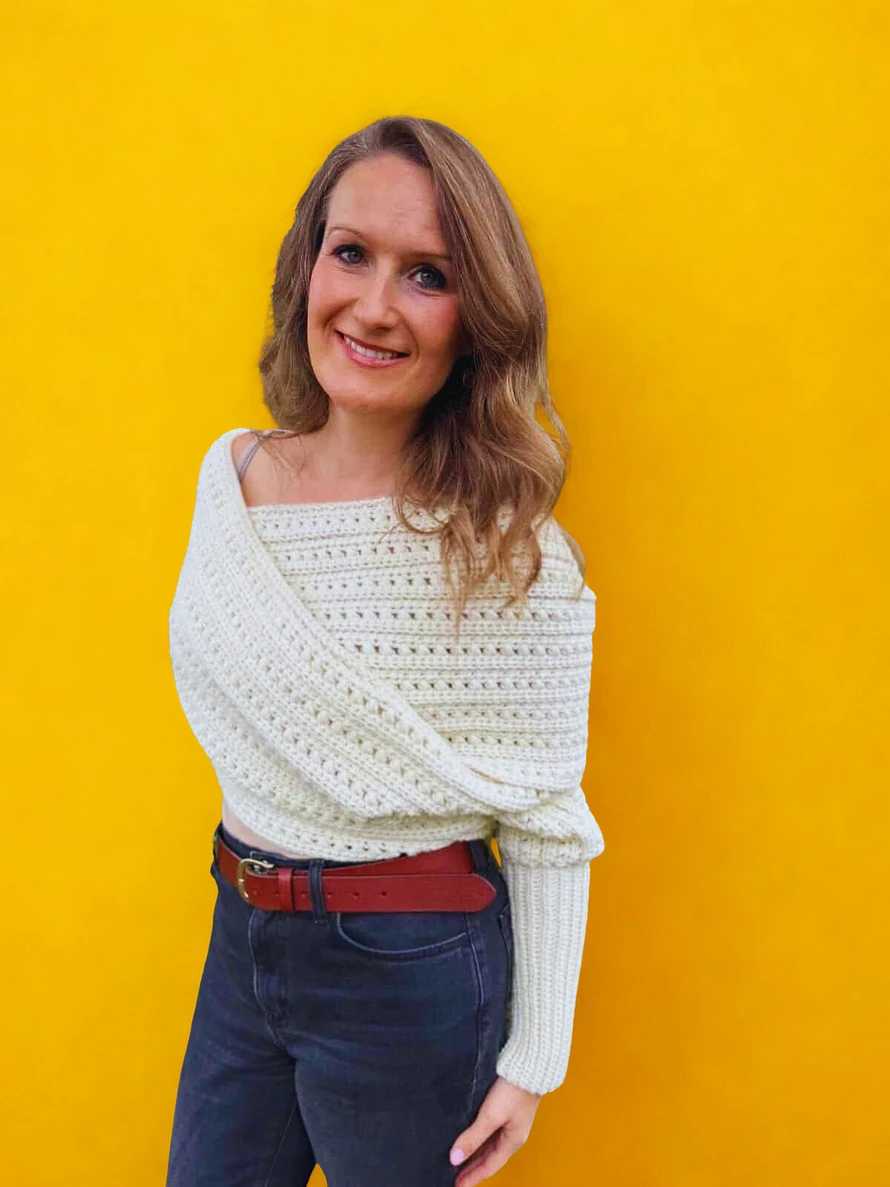
Did you know that the average crocheter spends over 30 hours on a full sweater, while a simple scarf can be finished in just a few evenings? What if there was a project that gave you the snug feel of a sweater and the effortless drape of a scarf—without the complexity and time of a traditional garment? This free crochet sweater scarf pattern delivers exactly that: a wearable scarf with sleeves that wraps around you like a cozy cardigan, yet is built from a straightforward rectangle that even confident beginners can tackle. If you have been searching for a practical, stylish crochet sweater scarf pattern that feels modern, customizable, and stash‑friendly, this guide walks you through every step.
To help semantic search and discovery, this tutorial also explores related ideas like “scarf with sleeves,” “wrap cardigan scarf,” “wearable blanket scarf,” and “crochet sleeve wrap,” so readers using natural language queries can easily find the exact kind of cozy, hybrid accessory they have in mind.
Ingredients List
Think of the “ingredients” for this crochet sweater scarf pattern as your maker’s pantry: yarn, hook, notions, and personalization options. For an average adult size using a worsted‑weight yarn, plan for roughly 1,200–1,600 yards, which sits comfortably between typical yardage estimates for a simple scarf and a lightweight sweater.
Yarn (main ingredient)
Suggested substitutions
-
Swap acrylic for superwash wool if you want more breathability and spring.
-
Choose cotton or bamboo blends for a lighter, transitional “spring sweater scarf” that still gives sleeve coverage.
-
Use self‑striping or ombré yarn for effortless color changes without extra ends.
Hook and tools
-
5 mm (H) crochet hook or size needed to meet your personal gauge.
-
Tapestry needle for seaming the sleeves and weaving in ends.
-
Stitch markers to mark sleeve openings and keep track of repeat rows.
Texture options (stitch “flavors”)
-
Half double crochet (hdc) and single crochet (sc) create a dense, sweater‑like fabric with good warmth.
-
Simple textured repeats—such as alternating hdc and yarn‑over slip stitch—add visual interest without complicating the pattern.
-
For a drapier, shawl‑like feel, work in alternating rows of hdc and chain spaces to mimic a lacy wrap
Timing
One advantage of a crochet sweater scarf pattern is that it sits between a fast scarf and a time‑intensive sweater. A typical scarf can take about 4–8 hours depending on yarn and skill, while a sweater often takes 20–30+ hours for intermediate makers.
For this sweater scarf with sleeves:
-
Preparation time (planning, measuring, swatching): 1–2 hours, including a small gauge swatch and trying sample lengths across your back and arms.
-
Crochet time (rectangle + sleeves): about 10–18 hours for an intermediate crocheter, depending on size, stitch pattern, and yarn weight.
-
Total project time: roughly 12–20 hours—often 20–40% less than a full sweater of similar warmth because you avoid complex shaping and multiple panels.
If you use a thicker yarn (bulky category 5) and a larger hook, you can cut total time closer to the scarf range, while finer yarns and detailed textures push it toward sweater territory.
Step‑by‑Step Instructions
Step 1: Measure and Plan
Start by measuring from wrist to wrist across your back with arms comfortably outstretched; this gives the approximate length of your sweater scarf. Measure from the top of your shoulder down to where you want the bottom edge to fall (hip, mid‑thigh, or knee), and double that for the total width of the rectangle that will wrap around the neck.
Sketch a simple rectangle with sleeve placements marked at equal distances from the center, then note the target dimensions in inches or centimeters to guide your row and stitch counts.
Step 2: Swatch for Gauge
Crochet a 4 in (10 cm) square in your chosen stitch pattern—many sweater scarf patterns use a textured hdc‑based repeat—to check how many stitches and rows you get per 4 in. If your gauge is too loose, size down your hook; if too tight, size up, adjusting until your fabric feels cozy but not stiff.
Use your gauge numbers to calculate the foundation chain length: wrist‑to‑wrist measurement multiplied by stitches per inch gives a starting chain that matches your body instead of a “generic one‑size” fit.
Step 3: Crochet the Main Rectangle
Chain to your calculated length, then work the first row in hdc (or your chosen textured stitch) without twisting the chain, placing a stitch in each chain across. Turn and continue in pattern—such as a simple repeat of hdc, sc, and yarn‑over slip stitches—to build a thick, scarf‑like fabric with subtle ridges.
Work row after row until the width of your rectangle equals the distance from the back of your neck down to the desired hem, multiplied by two to account for both front “lapels.” Periodically drape the piece around your shoulders to check length and adjust for your personal style (cropped, hip‑length, or longline).
Step 4: Mark and Seam the Sleeves
Fold the rectangle in half along its long edge, matching corners, so the fold becomes the “center back” and the short ends meet at the front. From each short end, measure in along the long edge to where you want your sleeve opening to start, usually slightly wider than your shoulder width to allow movement.
Use stitch markers to outline an armhole opening on each side; the unmarked center section will be the body that wraps around your neck and back. With a tapestry needle and matching yarn, seam from the outer edge toward your marker on both sides, leaving the marked opening unseamed to form sleeves; the result is a scarf that you can slip your arms into like a shrug.
Step 5: Customize Edges and Collars
Once the base sweater scarf is assembled, add a few border rounds to refine the look and improve structure. Work single crochet or slip‑stitch edging around the entire perimeter, easing in stitches at corners to prevent flaring and giving the scarf a polished finish.
If you prefer a cozy “collar,” add extra rows along the neckline edge with slightly larger stitches, such as extended half double crochets, letting the fabric fold naturally like a shawl collar when worn. Ribbing or simple back‑loop‑only rows at the cuffs can echo classic sweater details while keeping the overall pattern beginner‑friendly.
Nutritional Information (for Your Craft Time)
While this is not an edible recipe, crafters often think in terms of “time calories”—how much effort, yarn, and mental energy a project consumes. The table below gives ballpark “nutritional” metrics for an average worsted‑weight crochet sweater scarf pattern in an adult size.
Metric Approximate Amount Yarn yardage 1,200–1,600 yards Skill level Confident beginner to intermediate Active crochet time 10–18 hours Total project time 12–20 hours including swatching and finishing Pieces to seam 1 rectangle, 2 sleeve seams From a well‑being perspective, slow, repetitive crafts like crochet have been linked to stress reduction and improved mindfulness, which makes this medium‑complexity project a good fit for makers looking for a relaxing yet productive wardrobe addition.
Healthier Alternatives for the Pattern
“Healthier” here means gentler on your body, budget, and environment. Yarn choice and construction tweaks can make your crochet sweater scarf pattern more sustainable and more comfortable for long wear.
-
Choose plant‑based or recycled fibers—such as organic cotton, bamboo, or recycled acrylic—to reduce environmental impact while maintaining softness and drape.
-
Opt for lighter DK or sport‑weight yarn with an open stitch pattern if you live in a warmer climate, so the piece becomes an all‑season layering wrap rather than a heavy winter garment.
-
Build in intentional ease at the sleeves and body to allow layering over long‑sleeve tops without restricting movement, supporting better posture and comfort during daily wear.
Serving Suggestions (How to Wear It)
A crochet sweater scarf pattern shines in its versatility: it can be styled like a coatigan, wrap, or oversized scarf depending on mood and weather.
-
Wear it open with the ends hanging down like a long scarf, letting the sleeves act as cozy arm warmers while the back panel keeps your upper back insulated.
-
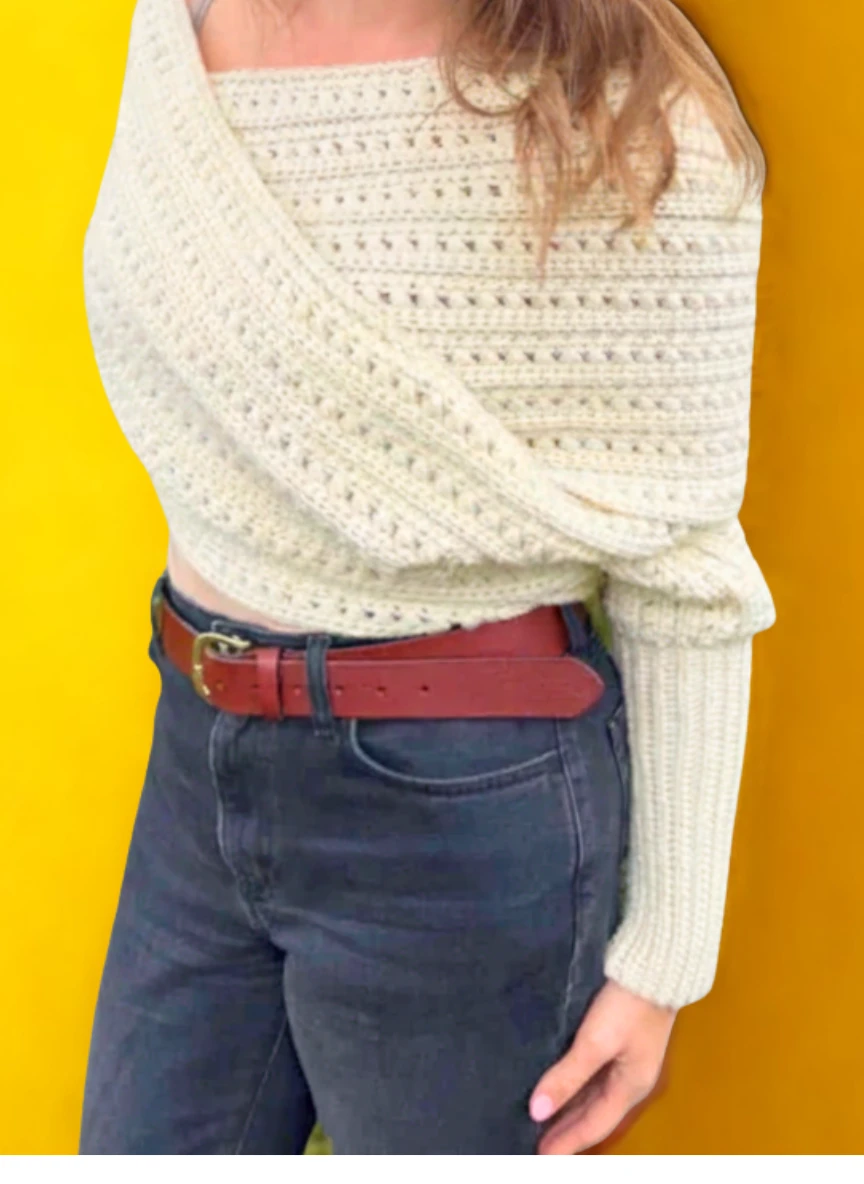
Cross the fronts over your chest and secure with a belt at the waist for a cardigan‑like silhouette that works well with jeans, leggings, or dresses.
-
For extra warmth, wrap the ends around your neck once, then slip your arms into the sleeves so the fabric sits like a hybrid between a shawl and a cocoon sweater—perfect for travel days and office AC.
Link this project to complementary accessories like matching hats, mittens, or a traditional scarf using the same yarn and texture, turning your sweater scarf into the centerpiece of a handmade winter capsule collection.
Common Mistakes to Avoid
Even simple sweater scarf patterns can trip up makers in a few predictable ways. Avoiding these pitfalls saves yarn, time, and frustration.
-
Skipping the gauge swatch: Without a swatch, your rectangle can end up too short for sleeve placement or overly long and droopy, which is a common source of sizing complaints in garment projects.
-
Misplacing sleeve markers: If markers are not positioned symmetrically from the center back, the sleeves may pull the scarf off‑balance when worn.
-
Using yarn that is too stiff or scratchy: Some worsted yarns intended for home décor can feel rough against the neck and wrists; choose garment‑grade fibers with softness and flexibility.
-
Over‑tight seaming: Very tight sleeve seams cause restricted movement and can distort the drape, while a relaxed, even seam preserves the soft, sweater‑like feel.
Storing Tips for the “Recipe”
Good storage practices help handmade garments hold their shape and surface texture over many seasons.
-
Fold your crochet sweater scarf flat instead of hanging it; hanging can stretch out the long rectangle and pull on sleeve seams, especially in heavier yarns.
-
Store in a breathable cotton bag or on an open shelf, keeping it away from direct sunlight to prevent fading and from high humidity to avoid fiber damage.
-
If you use animal fibers like wool, add natural moth deterrents such as cedar blocks or lavender sachets near your storage area, keeping them separate from direct contact with the fabric.
Conclusion
This free crochet sweater scarf pattern combines the simplicity of a rectangle with strategic sleeve seams to deliver a wearable, customizable, and time‑efficient layering piece. Use the guidelines above to tailor your yarn, measurements, and styling so the finished wrap feels uniquely “you,” from cozy winter hug to light transitional layer.
Ready to stitch your own scarf‑meets‑sweater? Work through the steps, experiment with textures and fibers, then share your experience in the comments or review section—and subscribe to the blog for more crochet garment tutorials, styling ideas, and pattern upgrades.
FAQs
How much yarn do I need for this crochet sweater scarf pattern?
Most adult sizes in worsted weight will use around 1,200–1,600 yards, with smaller frames closer to 1,000–1,200 yards and larger or extra‑long versions extending toward 1,800–2,000 yards. Always check your gauge and adjust yardage if you change stitch patterns or yarn weight.
Is this pattern suitable for beginners?
A confident beginner familiar with chaining, single crochet, and half double crochet can work this sweater scarf because it is constructed from a single rectangle with straightforward seaming. Absolute beginners may want to practice a small scarf first to get comfortable with even tension and consistent stitch counts.
How long will it take to finish?
Expect about 10–18 hours of active crocheting plus 1–2 hours for swatching and finishing, putting the total project around 12–20 hours depending on speed and size. Using bulkier yarn and a simpler stitch pattern can bring the time closer to large‑scarf territory, while finer yarn and dense textures increase it.
Can I make this pattern in DK or bulky yarn?
Yes—DK yarn will give a lighter, more drapey wrap, while bulky yarn creates a thicker, faster‑to‑finish sweater scarf. If you change yarn weight, be sure to re‑swatch and recalculate your starting chain and row counts so the sleeve placement and overall length still fit your measurements.
How should I wash and care for my sweater scarf?
Follow the yarn label: most acrylics can be machine washed on gentle and laid flat to dry, while wool and delicate blends often benefit from hand washing in cool water. Always reshape the rectangle and align sleeve seams while drying to preserve the intended silhouette and prevent twisting